
Guest Essay
2026 Update to the LABAC-SFBC Recommendations for Internal Quality Controls
We are pleased to publish an English translation of the LABAC-SFBC guidance on IQC. These are French recommendations, and the journal has graciously allowed us to share the publication of an English translation of the journal. Copyright: JLE, 2026 • doi: 10.1684/abc.2026.2059
2026 Update to the LABAC-SFBC Recommendations for the Implementation and Monitoring of Internal Quality Controls in Medical Laboratories
Mickael Fortun, Julien L'hirondel, Damien Bouvier, Nathalie Colard, Delphine Collin-Chavagnac, Jean-Louis Galinier, Luc Essemilaire, André Heim, Mickael Paris, Jacques Rostoker, Florian Scherrer, Laurent Souied, Jean-Michel Vialle, Jean-Marc Giannoli
Réseau de Laboratoires de biologie médicale accrédités (LABAC), Rodez, France; Société Française de Biologie Clinique (SFBC), Paris, France; and affiliated institutions listed in the original publication.
Correspondence: M. Fortun, This email address is being protected from spambots. You need JavaScript enabled to view it.
Abstract
The recommendations presented in this document are the result of joint work conducted by LABAC and the SFBC. They update the recommendations issued in 2019. The different steps involved in implementing quality controls, based on risk analysis, are described. Changes in reagent lot or internal quality control (IQC) lot, the actions to be taken in the event of non-conforming IQC, and the maintenance of multi-analyzer comparability are addressed. These recommendations do not intend to cover every possible situation that may arise within a laboratory. The implementation of an alternative strategy, provided that it is justified and objective, should also be considered.
Citation:Fortun M, L'hirondel J, Bouvier D, Colard N, Collin-Chavagnac D, Galinier J-L, Essemilaire L, Heim A, Paris M, Rostoker J, Scherrer F, Souied L, Vialle J-M, Giannoli J-M. 2026 update to the LABAC-SFBC recommendations for the implementation and monitoring of internal quality controls in medical laboratories. Ann Biol Clin 2026; 84(4): 1-31. doi: 10.1684/abc.2026.2059
Article received July 15, 2026; accepted July 20, 2026. [MF1.1]
Introduction
The recommendations formulated in this document primarily stem from the conference held in Paris on October 2, 2024, with a group of experts mandated by the LABAC association. This meeting provided an opportunity to discuss practices relating to the management of internal quality control (IQC), external quality assessment (EQA), the estimation of measurement uncertainty (MU), mainly in the light of the 2022 revision of the NF EN ISO 15189 standard and the latest developments in the literature.
This article focuses on the recommendations relating to internal quality control (IQC) and applies to routine quantitative methods (biochemistry, immunochemistry, hematocytology, hemostasis, and automated screening tests in infectious serology). Conventional microbiology assays are excluded from the scope of these recommendations, as are certain specialized examinations for which the approach to quality control must be adapted. Recommendations relating to external quality assessment are not addressed in this article. [FE2.1]
The various contributors sought to establish clear positions reflecting the literature, their experience, and their knowledge of medical biology. These recommendations are intended to serve as a framework for discussion and further work for all stakeholders in laboratory medicine and do not claim to address every situation that may arise within a laboratory. The implementation of a justified and objective alternative strategy should also be considered. Finally, these recommendations may naturally evolve over time. [FE3.1]
Three levels of recommendation were adopted [1]:
- Recommended practices (deemed compliant with the requirements of the NF EN ISO 15189:2022 standard): these are derived from reference documents — consensus reached after reviewing the relevant articles, or failing that, resting on at least one article for which the methodology and criteria are sound and robust (expert opinion). They represent "state of the art" and are considered as objectives for best practice. [FE4.1]
- Acceptable practices: practices compatible with the state of the art and consistent with the expected level of control, documented with a lower level of evidence than recommended practices.
- Non recommended practices (deemed non-compliant with the requirements of NF EN ISO 15189:2022 standard): approaches that are not recommended due to the absence of published methodologies and/or criteria, departing from the state of the art. Non-recommended practices may compromise the reliability of results and should therefore be avoided.
Regarding IQC, NF EN ISO 15189:2022 standard [2] defines the following requirements:
- Establish control procedures to verify that the intended quality of results is achieved.
- Use control materials that behave as closely as possible to patient samples (commutability).
- Use these control materials regularly, according to the robustness and stability of the methods and the risk of harm to the patient in the event of an erroneous result. If an anomaly is detected, assess the impact on any results already released since the last satisfactory IQC.
- Regularly review IQC results in order to detect trends.
SH REF 02 rev. 08 [3] introduces the concepts of a justified and documented strategy including the notions of analytical run, testing frequency, levels used, performance requirements, and validation rules. It also addresses the action to be taken when a result falls outside the IQC's acceptable limits, and the assessment of any impact on results already released.
The concept of "ensuring the validity of results" is stated in the 2022 version: a valid result is one that supports a clinical decision , with: [FE5.1]
- a controlled pre-analytical phase;
- a method validated and monitored by IQC and EQA (or other means if IQC/EQA do not exist or are not feasible) according to defined criteria and performed by trained and authorized staff;
- a controlled post-analytical phase with comments and interpretations that allow the result to be understood unambiguously by prescribers and users for appropriate medical care.
Risk analysis
Risk analysis is the essential prerequisite for implementing a documented IQC strategy, through an inventory of analytical risks that could lead to a potentially erroneous result, in the most serious cases resulting in a loss of chance for the patient.
These risks depend on each method and on the specific context of each laboratory, and are, for the most part, already known. In-vitro diagnostic medical device suppliers may propose control measures (CE IVD-R). However, these recommendations may be insufficient or unsuitable, and additional actions are then required. Some of these actions may be associated with indicators designed to monitor risk control by recording situations in which the risk is no longer under control (for example, the monitoring of non-conformities). As part of a continuous-improvement approach, a reassessment of risk with new input data (non-conformities, internal and external audits, complaints, indicators, vigilance reports, etc.) should be carried out, with the implementation of any new control measures where necessary.
The criticality of parameters, and therefore the risk to patient care, has recently been described in particular by the NF EN ISO 22367:2026 standard [4, 5].
A "dynamic" approach is essential as part of continuous improvement, with regular monitoring of the risk analysis (newly identified risks and ongoing monitoring of previously identified risks).
The 2022 version of the 15189 standard emphasizes the need to assess risks in relation to the IQC implementation and monitoring strategy, and to consider acceptable levels of risk.
Example of a benefit/risk assessment (Table 1).
Other risks may be identified particularly depending on analyzer technology or the methods used (e.g., quality of consumables, water quality, specific environmental conditions, etc.). It is the laboratory's responsibility to implement appropriate control measures.
It may be necessary to consult the equipment or analyzer supplier to assess the potential impact of periodic preventive maintenance and, naturally, of corrective maintenance following an intervention.
Recommendation levels relating to risk analysis are summarized in Table 2.
Table 1. Example of a benefit/risk assessment for the use of a multiparametric internal quality control (IQC).
| Benefits | Risks |
|
|
Table 2. Recommendation levels relating to risk analysis.
| Risk Analysis | |
|
Recommended Practice |
A risk analysis that ranks risks and control measures by order of priority, for all identified risks, associated with risk monitoring, assessment of risk control, and dynamic follow-up |
| Acceptable practice | Risks controlled but not formally assessed (not placed under monitoring and incomplete dynamic follow-up), with no impact for the patient |
| Not recommended |
|
1. Internal quality control (IQC) material
According to the NF EN ISO 15189:2022 standard §7.3.7.2.b) [2], "The laboratory shall select IQC material fit for its intended purpose," considering:
- stability for the intended use;
- the commutability of the IQC matrix (nature of the matrix and behavior of the IQC material relative to the analytical method);
- the clinical relevance of the IQC material, with concentrations at or close to clinical decision limits and, where possible, covering the measuring range of the method.
1.1. Matrix/commutability
IQC materials must have a matrix similar to that of patient samples to ensure satisfactory commutability, i.e., the IQC sample must behave like a human sample when measured using the analytical system. The IQC/method relationship should therefore reflect the patient sample/method relationship as closely as possible, with minimal influence from stabilization processes, substrate addition, or matrix components [6].
In order to take these commutability-related factors into account, it is advisable to rely on supplier data. NF EN ISO 15189:2022 specifies (6.6.3, note 2) that verification of the performance of a material or consumable may be based on the certificate of analysis of the reagent, and in paragraph 6.6.5 that materials must be used in accordance with the manufacturer's specifications.
For certain assay methods (immunoassay, serology, molecular biology, etc.), suppliers provide IQC materials specifically designed for use with their reagents because of the selected epitopes, protein fractions, or target sequences. In such cases, the IQC material will be non-commutable. The laboratory should therefore ensure the traceability of values to native samples, reference methods, or techniques, to guarantee the accuracy and quality of results. These data are generally made available by suppliers subject to CE IVD-R requirements.
1.2. Supplier or third-party IQC
NF EN ISO 15189:2022 standard (§7.3.7.2.a).3) states that the use of IQC materials independent of the manufacturer should be considered to control the risk of failing to detect a method drift due to a lack of commutability or a false alarm following a reagent change. Supplier-provided controls can nonetheless be useful for investigating a malfunction, by providing additional information needed for troubleshooting.
Recommendation levels relating to the choice of IQC (supplier-provided or third party) are summarized in Table 3.
Table 3. Recommendation levels relating to the choice of IQC (supplier or third party).
| Choice of QC | |
|
Recommended Practice |
Use independent IQC and/or in addition to the reagent/analyzer supplier's own IQC |
| Acceptable practice | Reasoned use of the reagent and/or analyzer supplier's IQC |
| Not recommended |
|
1.3. Number and levels of control
The number and concentration levels of IQC must also be defined. Where possible, IQC should explore the entire measuring range (7.3.7.2 b-4) appropriate to clinical decision thresholds. It must also allow verification and acceptance of calibration quality.
Risks are described in Table 4.
Table 4. Risk analysis relating to the number and levels of control.
| Item | Risk | Consequence | Control Measure | Monitoring / Survelliance |
| Coverage of the measurement range: Choice of relevant IQC levels: multiparametric vs monoparametric |
MULTIPARAMETRIC: incomplete coverage of decision thresholds; failure to verify the full measurement range MONOPARAMETRIC: greater flexibility in choosing levels close to thresholds but greater organizational constraints |
Erroneous result within the clinical decision range disruption to laboratory workflow: time loss and possible delay in reporting results, with potential loss of chance for the patient |
Verify that the proposed IQC levels fit clinical decision thresholds; verify full coverage of the measuring range If necessary, add a monoparametric IQC at the clinically/therapeutically relevant threshold |
Monitoring of a linearity issue with the method: EQA, discordant related tests results (e.g., Na and Cl), discordance with previous results. |
| Number of levels | Lack of results covering the calibration curve Inadequate coverage of the measuring range, particularly at decision/therapeutic/clinical thresholds (e.g., HIV serology, toxics substances, therapeutic drug monitoring [TDM]) |
Undetected erroneous result due to unnoticed drift or shift | Monitoring of expected values for IQC, including after an IQC lot change. | Monitoring of a calibration issue: EQA, discordant related test results, discordance with previous results, etc. |
Recommendation levels relating to the number and levels of controls are summarized in Table 5.
Table 5. Recommendation levels relating to the number and levels of control.
| Number and levels of control | |
|
Recommended Practice |
|
| Acceptable practice |
|
| Not recommended |
|
1.4. interlaboratory comparison of IQC results – Externalized IQC
External comparison of IQC results is not a normative requirement. It allows the estimation of trueness, i.e., the difference between the laboratory's mean and the peer-group mean, the latter being taken as the true value. Externalized IQC is complementary to, but not a substitute for, participation in an external quality assessment (EQA) program — that is, it does not exempt the laboratory from participating in EQA. The laboratory may select this type of external IQC comparison program based on the number of participants, the relevance of the interpretation criteria, and ease of access.
External IQC is also a useful tool, provided that the peer group includes enough values, [9] for:
- Identification of a shift (bias).
- Determination of method characteristics (CV, long-term CV, bias, MU, etc.).
- Setting up a control chart in the absence of a "probationary period."
In addition, tools for assessing the precision and reliability of results relative to the peer group are offered by providers of externalized IQC programs.
Precision is assessed using the coefficient-of-variation ratio (CVR): CVR = laboratory CV / peer-group CV. A CVR below 1 therefore indicates that the laboratory's precision is better than that of the peer group. A CVR ≥ 1.5 requires monitoring, and a CVR ≥ 2 requires corrective action.
Trueness relative to the peer group is assessed by the standard deviation index (SDI); SDI = (laboratory mean − peer-group mean) / peer-group standard deviation. An SDI ≥ 2 requires monitoring, and an SDI ≥ 3 requires corrective action [10]. [FE6.1][JG6.2]
The terminology used for coefficient-of-variation ratios and standard-deviation indices may vary between suppliers, but the underlying calculation and interpretation principle remains the same.
Recommendation levels relating to IQC externalization are summarized in Table 6.
Table 6. Recommendation levels relating to IQC externalization.
| Externalization of IQC | |
|
Recommended Practice |
|
| Acceptable practice | / |
| Not recommended |
|
2. IQC testing strategy
2.1. Robustness of the method
NF EN ISO 15189:2022 (§7.3.1) specifies that the intended quality of results must be verified.
First, it is necessary to determine the robustness of the method used. The 6 Sigma approach (Sigma = (TEa − |Bias|) / CVa) is a tool for assessing method robustness [12]. The sigma level is calculated from the total allowable error (TEa) - clinically acceptable - chosen by the laboratory along with the CV and bias, which are objective analytical data characteristic of each method. The difficulty lies in the choice of TEa, which can significantly influence the resulting sigma level [13].
An alternative formula for calculating Sigma has also been described that does not take bias into account, on the assumption that bias is controlled through method traceability, externalized IQC comparison, EQA, and integration into the method's long-term CV [14].
This formula, CVI/CVa (CVI = intra-individual CV and CVa = analytical CV obtained), avoids reliance on total error and on the subjectivity associated with the choice of total allowable error level (minimal – acceptable – optimal) and the source reference framework.
Finally, other authors recommend using a formula that takes measurement uncertainty (MU) into account: sigma = MU/CVa [15]. [FE7.1]
There is currently no consensus on which formula should be used; however, strategies dependent on the sigma value are clearly established:
- If Sigma ≥ 6: lightened quality control is possible.
- If Sigma is between 4 and 6: standard control strategy.
- If Sigma < 4: the IQC strategy needs to be strengthened/adapted.
Other approaches may be used to assess a method's robustness: monitoring the repeatability/reproducibility ratio, the frequency of required recalibrations, and the frequency of IQC re-targeting. The sigma-level calculation result can be used to define the IQC testing strategy [8], as well as an indicator for monitoring analytical performance.
Recommendation levels relating to method robustness assessment are summarized in Table 7.
Table 7. Recommendation levels relating to assessment of method robustness.
| Study of method robustness | |
|
Recommended Practice |
|
| Acceptable practice |
|
| Not recommended |
|
2.2. Definition of the analytical run and placement of maintenance
The laboratory must identify the factors that may affect the stability of the analytical system. The laboratory identifies critical events or control points: calibration, maintenance (part replacement, adjustments, etc.), certain types of failure, a reagent or calibrator lot change, etc. The laboratory can thus define the events that will interrupt the run.
The IQC testing strategy is based on:
- Defining runs.
- Defining testing frequency.
- Defining the levels used: their position within the run (based on calibration, number of assays).
- Identifying the occurrence of events potentially influencing the method and/or results.
- Defining the target value, acceptable limits, and choice of control-chart interpretation rules.
When defining the run, the following should also be taken into account:
- The analytical mode of parameter production (batch or continuous flow).
- The number of tests between two IQC points.
- Sample stability (risk analysis required where analyte stability does not always allow subsequent retesting of the sample, e.g., bicarbonates).
- The robustness of the method used.
- Supplier recommendations.
2.2.1. Defining the analytical run
An analytical run is a time interval during which the analytical system is considered to remain stable. This stability is generally established by bracketing the run with at least 2 IQC points within acceptable limits. The laboratory brackets the run with IQC or other means (patient mean, "trace" patient sample, etc.). Nevertheless, after an end-of-run IQC has been performed, it is acceptable to consider the method under control and stable a priori for a period defined by the medical laboratory, in terms of duration or number of assays, taking into account the method's robustness and the criticality of the analyte.
Recommendation levels relating to the definition of the run and of critical events are summarized in Table 8.
Table 8. Recommendation levels relating to the definition of the analytical run and of critical events.
| IQC testing strategy: Defining the run and critical events | |
|
Recommended Practice |
|
| Acceptable practice |
|
| Not recommended |
|
2.2.2. Role of preventive maintenance within the IQC testing strategy
Preventive maintenance of an instrument is the set of planned, regular actions carried out to prevent failure or incidents, ensure measurement reliability, and extend the service life of the equipment.
Some preventive (or periodic) maintenance operations may present a risk to method stability depending on the nature of the intervention and/or a risk related to staff competency. The latter should not be overlooked. Some preventive maintenance tasks are performed infrequently (half-yearly, annually) and require the person performing them to have thorough knowledge of the maintenance procedures and to maintain validated practical competence through sufficiently regular practice.
For example, a simple sample probe cleaning procedure may present a high risk if it is not performed in compliance with the procedure or if the cleaning solution does not strictly comply with supplier recommendations. Conversely, a preventive replacement of reaction cuvettes performed compliantly might have only a minor or even zero impact, since cuvette-blank optical densities (OD) are subtracted from the reactional OD of measured samples.
The simplest means of controlling the impact of preventive maintenance on the stability of the analytical system is to run IQC before and after such maintenance. However, a risk analysis should form the basis for establishing an appropriate IQC testing strategy. To carry this out, the laboratory is advised to consult the supplier, who will provide information on the risks associated with each maintenance operation; the laboratory may also rely on its own experience and knowledge of the analytical system's post-maintenance condition.
Depending on the technical or mechanical elements involved, the identified risks may lead to better-adapted strategies. The laboratory may, for example, depending on the case, use other means to control the stability of the analytical system (retesting of patient samples, use of so-called "sentinel" tests described later in this document, etc.). These elements should be put into perspective with method robustness, as the least robust methods are theoretically the most likely to be affected.
Other elements related to external maintenance can also have a significant influence on analytical quality — for example, maintenance of water-production systems (sterilization of reverse-osmosis units, cleaning of water softeners, etc.) or air-conditioner maintenance, e.g., involving the use of chlorinated products or quaternary ammonium compounds. Such external maintenance activities therefore require particular vigilance and enhanced monitoring of analytical results and IQC data.
Recommendation levels relating to the role of preventive maintenance are summarized in Table 9.
Table 9. Recommendation levels relating to the role of preventive maintenance.
| Role of preventive maintenance within the IQC testing strategy | |
|
Recommended Practice |
|
| Acceptable practice |
|
| Not recommended |
|
2.2.3. Role of corrective maintenance
Corrective maintenance can affect the stability of the analytical system and, in this case, unexpectedly interrupts a run, preventing an end-of-run IQC from being performed. The laboratory must then verify the absence of method drift prior to the failure (impact study).
It is therefore useful, first, to distinguish purely mechanical failures (e.g., reagent-cassette jam or reaction-cuvette conveyance jam) with little or no impact on analytical quality, from analytical-type failures (sample probe blockage, interruption of cuvette washing, etc.) directly related to the reactional-mixture measurement process.
Next, when the failure's origin affects the analytical system and result quality, the laboratory may implement a strategy for retesting patient samples, selecting samples predating the failure and also taking concentration levels into account.
It is the responsibility of equipment suppliers to provide the laboratory with as much information as possible regarding an incident or failure; this information will form the basis of the risk analysis the laboratory must conduct in order to control the potential impact on results and the post-intervention requalification of equipment. Laboratories are advised to actively seek this information from the supplier if it is not systematically provided.
Recommendation levels relating to the place of corrective maintenance are summarized in Table 10.
Table 10. Recommendation levels relating to the place of corrective maintenance.
| Role of corrective maintenance within the IQC testing strategy | |
|
Recommended Practice |
|
| Acceptable practice | / |
| Not recommended |
|
2.3. Number of tests and IQC testing frequency
IQC testing frequency allows the laboratory to define the size and duration of the run.
Some authors recommend adapting analytical run size and the choice of alert rules according to the method's robustness [16, 17].
Recommendation levels relating to IQC testing frequency are summarized in Table 11.
Table 11. Recommendation levels relating to IQC testing frequency.
| IQC testing frequency | |
|
Recommended Practice |
|
| Acceptable practice |
|
| Not recommended |
|
3. The control chart
The laboratory must define the target value and acceptable limits for its control charts.
From a statistical perspective, the purpose of alert rules is to:
- Detection of a systematic or random analytical error.
- Stop the release of results when an error is confirmed.
- Estimation of the bias (error) affecting already-reported results, to assess the impact on patient results.
Some international recommendations [16, 22] can be used to select, at a minimum, rejection rules applicable without taking method robustness into account (risk of over-quality).
3.1. Defining the target value
Several methods can be used to define a target value for each IQC level. It is possible to rely on a probationary period, provided it is sufficiently extensive to be statistically significant [3]. The laboratory may also rely on the peer-group mean for the IQC lot, after ensuring that this mean is obtained from a sufficient number of peers and runs [19]. The specific case of negative serology levels is addressed in paragraph 3.4.
Recommendation levels relating to the definition of the control-chart target are summarized in Table 12.
During use of a control-sample lot, the target value may be readjusted if necessary. In particular, if a shift of more than one standard deviation is observed (the unit used on control charts), retargeting may be necessary to avoid the risk of false rejection, (wasted time and delayed reporting) and, more importantly, false acceptance (potential impact on results).
Any "re-targeting" must be justified: a study of potential sources of variation (calibration, reagent-lot change (see §4.3), maintenance, etc.) must be carried out and must rely on a sufficiently extensive period to be statistically significant. In addition, the laboratory must confirm the absence of a trueness error (using the peer-group mean) or of an accuracy error (using EQA).
Table 12. Recommendation levels relating to the definition of the control-chart target value.
| Definition of the control-chart target value | |
|
Recommended Practice |
|
| Acceptable practice |
|
| Not recommended |
|
Table 13. Recommendation levels relating to the adjustment of the IQC target value (re-targeting).
| Adjustment of the IQC target value (re-targeting) | |
|
Recommended Practice |
|
| Acceptable practice |
|
| Not recommended |
|
3.2. Defining acceptable limits
Appropriate and documented statistical methods may be applied.
An unsuitable control chart presents several risks (Table 14).
The main objective is to detect anomalies and trends (shift and drift) and to verify that the intended quality of results is achieved.
Acceptable limits must be defined through a risk analysis that takes into account the clinical criticality of analytes and results (decision threshold, immediate and significant clinical or therapeutic impact in the event of an erroneous result). These acceptable limits must be compatible with the method's actual performance in order to detect trends, shifts, or drifts. Care should be taken not to confuse drift and shift. A drift is a regular, progressive increase (or decrease) in results. A shift corresponds to a sudden, sustained deviation from the mean. These acceptable limits must remain consistent with the supplier's recommendations linked to its CE-IVD marking.
Table 14. Risk analysis relating to an unsuitable control chart.
| Item | Risk | Consequence | Control Measure | Monitoring / Survelliance |
| Monitoring and control of the IQC-monitoring software | Trueness monitoring: moving or fixed target? Reproducibility monitoring: defining acceptable-limit CVs Comparability monitoring: common target values across all analyzers? Use of external IQC comparison data (peer-group CV: CVR, SDI, etc.) |
Erroneous results due to a lack of trueness and/or precision | Training on software configuration and monitoring tools Clear, justified definition of critical parameters; monitoring of the method's analytical performance |
Staff training/authorization; weekly monitoring of control charts Alert-rule parameterization for a mean drift of more than one standard deviation |
| Monitoring of method drift/shift: unsuitable control chart — target shifted by more than one standard deviation | An incorrect target value may compromise the entire analytical process | Shift of more than one standard deviation — risk of false rejection, and more importantly risk of false acceptance | Control-chart management, if systematic error with selected target value and peer group mean: - verification of the relevance of the comparison group (method, number of participants, reagent lot if a matrix effect is known, etc.) - use of a mean obtained during a preliminary period, based on a sufficient number of data points. |
External IQC-comparison results: CVR and SDI; EQA results; concordance of related test results (transaminases, Na, Cl...); Discordance with previous patient results clinician complaints |
| Monitoring of method drift/shift: unsuitable control chart — CV too wide or too narrow relative to method performance | Risk of over-quality or extended turnaround time when imprecision (CV) is excessively low relative to clinical needs defined per the Milan consensus (models 1, 2 or 3) Risk of under-quality or failure when specifications are too wide relative to these same requirements, or when the method does not meet performance specifications |
Excess alarm generation in the laboratory and unnecessary verification procedures; failure to detect a drift or shift if the CV is too wide, potentially resulting in erroneous results | Verify that the actual CV is consistent with the CV used to define the acceptable limits (maximum difference of 30%, without exceeding the defined maximum CV). | If fixed CV: external IQC-comparison results (CVR and SDI); EQA results; concordance of related tests (transaminases, Na, Cl…); discordant previous results; average of normals; clinician complaints |
| Monitoring of method drift/shift: unsuitable alert rules | Minimum rules to use depending on IQC usage: moving or fixed; alert rules associated with an effective action; rejection rules with a consistent course of action for all operators. | Erroneous result following a systematic error when an end-of-run IQC result is unacceptable. | Clearly define analytical validation rules: Rejection 1-3s, 2-2s, R-4s for example; Alert 1-2s and T7 trend for example; define clear and consistently applied actions to be taken. | If fixed CV and fixed mean: external IQC-comparison results (CVR and SDI); EQA results; concordant linked assays; discordant history; average of normals; clinician complaints; recalculated IQC alarm rate; drift detection (7T, 10X, etc.) |
For each test, the laboratory will select a CV representative of the analytical performance of the method. These may be the laboratory's own CVs: CVLT (long-term CV), taking into account all sources of method variability. They are used to define control-chart acceptable limits.
For parameters run on several analyzers of the same model, another approach consists of considering that the CV achieved by the large majority of users (CV90, CV95) can characterize the dispersion of the method and the different analyzers used.
The definition of these acceptable limits may lead to broader criteria (less critical parameter or level) or, conversely, narrower ones (more critical parameter or level), applied as a first-line or second-line rule (after using CVs representative of analytical performance), remaining consistent with the Milan consensus (justified use of clinical data, biological variation, or state of the art). If broader acceptable limits are used as a first-line rule, the lack of early detection of drifts and shifts may lead to a risk of more frequent result recalls in the event of method drift, and of harm to the patient depending on the clinical use of the assay.
Recommendation levels relating to the definition of acceptable limits are summarized in Table 15.
The approach presented in this table allows the laboratory to ensure that analytical performance remains stable and under control. This proposal does not take into account the potential clinical impact (or absence of impact) in the event of unsatisfactory analytical performance.
Additional interpretation (at end of run) may be implemented to take potential clinical impact into account. Two levels of reading are then used: purely analytical acceptable limits, and tolerance limits related to medical risk.
Table 15. Recommendation levels relating to the definition of acceptable limits.
| Acceptable limits | |
|
Recommended Practice |
|
| Acceptable practice |
|
| Not recommended |
|
3.3. Selection of alert rules
Westgard rules, or rules inspired by this approach, are commonly used. Other rules are also offered by IQC results-management software.
Examples of rules for IQC management are presented in Table 16.
Recommendation levels relating to the selection of alert rules are summarized in Table 17.
Table 16. Example of rules for IQC management (adapted from [17]).
| Example of rules for IQC management | Type of variability detected |
|
1-3s |
Imprecision or bias, if confirmed |
| 2-2s |
Bias |
| R-4s |
Imprecision |
Table 17. Recommendation levels relating to the selection of control-chart alert rules.
| Control charts: selection of alert rules | |
|
Recommended Practice |
|
| Acceptable practice |
|
| Not recommended |
|
3.4. Specific consideration for serology
Some internal quality controls follow "non-normal" distribution patterns: the "skewed" distribution mode. In a skewed distribution, the mean, median, and mode are generally different (Figure 1).
This type of distribution is commonly encountered, for example, with semi-quantitative controls provided by manufacturers (e.g. negative IQC materials used in serology). [8.1][9.1]
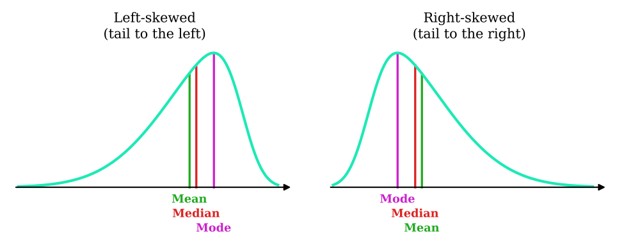
Figure 1. Skewed distribution.
These negative controls cannot be monitored using a mean, standard deviation, or coefficient-of-variation (CV) target. Suppliers communicate only acceptance ranges. An IQC value is therefore considered acceptable if it falls between the limits communicated by the IQC supplier. Consequently, retargeting based on a median (Med) or mean is neither necessary nor appropriate.
For IQC that follows a skewed distribution (Figure 1) (negative serologies, PCR Ct values, for example), for which the supplier provides only an acceptance range, the IQC will be considered conforming if it falls between the low limit and the high limit. The CV, mean, the use of alert rules, or re-targeting are not relevant here [21]. However, supplier-provided data should still be critically reviewed to assess their relevance.
4. Lot changes
With every control (IQC) lot change, the laboratory ensures that target values and interpretation thresholds are established in advance. These are determined through preliminary tests, defined by the laboratory, prior to routine use, depending on the specificity of the analyte and the lot's shelf life. During this period, the conformity of the technical procedure is ensured by the current control lot.
The mean of the results obtained is used to determine the initial target value; interpretation thresholds for the new control charts will be readjusted if necessary.
4.1. Acceptance testing
NF EN ISO 15189:2022 (§6.6.3) Acceptance testing: "Each reagent or new ready-to-use reagent kit formulation resulting from reagent or manufacturing-process modifications, or a new manufacturing or shipment lot, shall be verified for performance before use or before release of results."
To verify the performance of reagents and consumables, the laboratory establishes an acceptance strategy based on a risk analysis, based for example on data from information provided by the supplier, certificates of conformity, and the quality-control testing strategy [3].
The objective of acceptance testing is to ensure that the product (reagent, IQC...) is suited to the laboratory's needs before authorizing its use — ideally early enough to be able to order a new lot and arrange a new shipment (or plan a backup or outsourcing, etc.) in order to avoid any production shortage that could result in a potential loss of chance for patients in the case of critical parameters.
The strategy must be defined for each analyte based on available data, the product's shelf life (e.g., IQC in haematology), and identified risks.
Access to the peer-group mean allows the target-value for the control chart to be defined. In this case, the probationary period is no longer required: it is a peer certificate of analysis (ISO 15189 §6.6.3, Note 2) that makes it possible to establish the product conformity.
4.2. New IQC lot: determining the target
The strategy follows the principles of acceptance testing (6.6.3 of the 15189:2022 standard), with the aim of verifying performance before use or release of results. To verify the performance of reagents and consumables, the laboratory establishes an acceptance strategy based on a risk analysis, based for example on data from information provided by the supplier, certificates of conformity, and the quality-control testing strategy. One of the prerequisites introduced in the 2022 version of NF EN ISO 15189 (7.3.7.2.a.2) is that an IQC lot change should not take place on the same day as a reagent and/or calibrator/measurement standard lot change.
The standard specifies (7.3.7.2.a)2.: "An IQC-lot change should not take place on the same day or in the same run as a reagent and/or standard lot change," clearly indicating that an overlap period is required.
At each change of internal quality control (IQC) lot, the laboratory should qualify the new lot by establishing or verifying the establishment of target values and acceptable limits. These are determined during the probationary period defined by the laboratory according to the specificity of the analyte and the lot's shelf life. During this period, the performance of the analytical procedure is ensured using the previous control lot, which remains in use.
The risk to be controlled is failure to detect a non-conforming new IQC lot through the lot acceptance strategy: testing the new IQC lot in parallel with the old lot is the recommended strategy, but the laboratory may use other means to control it (retesting of previously characterized patient samples, etc.). Several methods are possible.
In 2016, CLSI updated its C24 recommendation, allowing the use of 10 data points to calculate the mean for a new quality-control-material lot. If historical QC data are available over a period of stable assay operation, the previous SD (or CV) estimate may be used with the new quality-control-material lot, provided that the new lot has a similar formulation from the same manufacturer and a similar target concentration. If stable historical estimates are not available, 20 data points are then required [22].
These data will then be reassessed after a few days of use: in practice, at least 10 values, ideally collected over 3 to 5 days (acceptable practice).
- Use of the peer value to validate a target mean and qualify the lot, having previously defined a standard deviation and acceptable limits. This requires an overlap period of at least 3 to 5 points to verify that the control-chart target value is appropriate (difference of less than one standard deviation) [19].
- Data points falling outside the manufacturer’s ranges or the laboratory’s acceptance ranges should be rejected.
- The number of preliminary determinations may be adapted to the IQC lot's period of use (from as little as 1 to 2 days in haematology to as long as 1 year for some IQC materials used in haemostasis or biochemistry).
Another approach is to use associated statistical tests based on Bayes' theorem. However, this method is inconsistent with reagent acceptance and may present a risk if the IQC material is non-conforming at the same time as a reagent drift or shift occurs.
Recommendation levels relating to IQC lot changes are summarized in Table 18.
Table 18. Recommendation levels relating to IQC lot changes.
| IQC lot changes | |
|
Recommended Practice |
|
| Acceptable practice |
|
| Not recommended |
|
4.3. New reagent lot
"Each reagent or new ready-to-use reagent kit formulation [...] or a new manufacturing or shipment lot shall be verified for performance before use or before release of results" [NF EN ISO 15189:2022 §6.6.3].
Regarding the validation of a new reagent lot, ideally, because of IQC-material commutability issues, the new lot should be validated by retesting patient samples, leaving the laboratory full discretion to set the number of samples to be tested (which can be optimized through multiple runs), the levels, and the acceptance criteria, following a documented approach.
These acceptance criteria may not always be predefined [type-B analytes such as antibodies (serology, autoimmunity...) or certain complex proteins (hormonology, tumor markers...)], and/or retesting patient samples may not always be feasible (stability, limited number of samples available, etc.); this is why the standard, although only in a note, opens up the possibility of conducting a comparative study based on IQC results.
Recommendation levels relating to reagent lot changes are summarized in Table 19.
Table 19. Recommendation levels relating to reagent lot changes.
| Reagent lot changes | |
|
Recommended Practice |
|
| Acceptable practice |
|
| Not recommended |
|
4.4. Acceptance testing for a new reagent shipment without an IQC-lot change
Acceptance of a new shipment will take into account the risk of interruption of testing operations, the robustness of the method, and may rely on IQC-result conformity relative to the previous shipment. Acceptance testing may be performed simultaneously with patient testing, based on a risk analysis, the analytical performance of the method, and laboratory experience (frequency of opening IQC, supplier non-conformities, high-risk transport or packaging conditions), and prior to the release of results.
4.5. Actions to be taken in the event of a new reagent formulation and/or a new product reference
In the event of a new reagent formulation (and a new product reference introduced by the supplier), the laboratory should carry out an impact study based on a review of supplier documentation:
- A simple literature review concluding that there is no impact, or a minor documentation change: packaging change, storage-condition change with no impact on the method, etc.
- Verification limited to the changes: comparison with previous results in the event of a change in the traceability of the calibrator. Study of the impact on trueness or accuracy and, where relevant, on reference values.
- Comprehensive or targeted method verification on key points in the event of major changes, e.g., a new formulation associated with a new product reference (within the framework of flexible-scope management).
5. Multi-analyzer comparability
When several analytical systems are used to perform the same tests within the laboratory, the comparability of results produced by the different systems must be ensured. Point-of-care testing (POCT) is also subject to this comparability study (between different POCT devices and relative to the laboratory's own analyzers).
Several approaches may be used by the laboratory to ensure this analytical comparability: IQC, fresh patient samples, pools of stored patient samples, EQA samples, statistical analysis of results (e.g., mean of patient results), etc.
5.1. Material that may be used
The laboratory may use patient samples and/or IQC and/or EQA samples, using a statistical approach based on monitoring limits [8] or the statistical range test in the case of a significant number of analyzers. The laboratory must ensure:
- Control of the statistical power of the test through the number of repetitions.
- The number of repetitions which depends on:
- the critical difference to be demonstrated between analyzers;
- intermediate precision
Recommendation levels relating to material that may be used for multi-analyzer comparability are summarized in Table 20.
Table 20. Recommendation levels relating to material that can be used for multi-analyzer comparability.
| Multi-analyzer comparability: material that can be used | |
|
Recommended Practice |
|
| Acceptable practice |
|
| Not recommended |
|
5.2. Monitoring frequency
The laboratory conducts a regular review of the comparability of its analyzers; however, no frequency is prescribed. It will be justified based on the laboratory's risk analysis: it must take into account the number of measurements, the robustness of the method, the consequences of a drift in one of the systems, other means already in place (IQC with common acceptable limits, comparison of moving averages, etc.), staff experience, and calibration frequency.
Recommendation levels relating to the frequency of monitoring multi-analyzer comparability are summarized in Table 21.
Table 21. Recommendation levels relating to the frequency of monitoring multi-analyzer comparability.
| Multi-analyzer comparability: monitoring frequency | |
|
Recommended Practice |
|
| Acceptable practice |
|
| Not recommended |
|
5.3. Other monitoring indicators and analysis of potential consequences
To ensure comparability between different analytical systems (mirror analyzers, multiple sites, or POCT), several types of indicators allow early detection of a drift or shift.
5.3.1. Quantitative analytical indicators
These indicators are based on statistical monitoring of routine data:
- Coefficient-of-variation ratio (CVR): calculated as the ratio of CVs between the different systems. With a CVR target < 1.5 between analyzers to ensure comparable precision.
- Comparison of bias (Z-score or SDI): monitoring of the deviation from the peer-group mean for each instrument. Opposing or diverging Z-scores between two analyzers indicate a relative lack of trueness.
- Percentage of IQC rejected by each system: a significant difference between the rejection rates of one analyzer relative to another is an indicator of poor comparability.
- Monitoring of patient moving averages: comparison of "normal" patient result means. A shift in one analyzer relative to the others is an early alert.
- Percentage of rejections of the "trace" (or sentinel) patient sample: analysis of the control sample tested on the different analyzers with an acceptance criterion of 2.8 times the method standard deviation, or per the 5725-6 standard (23). [FE10.1][JG10.2]
- Rate of qualitative alarms by analyzer : particularly useful in haematology to monitor the consistency of alarms between analyzers.
5.3.2. Robustness indicators
These allow assessment of whether the systems offer the same level of patient safety:
- Comparison of Sigma levels: the 6-Sigma approach allows the analytical performance of different analyzers to be compared in a standardized way. A Sigma-level gap between two systems indicates a disparity in the risk of releasing an erroneous result.
- Measurement uncertainty (MU): comparison of uncertainties calculated for each site or for each system. They must be compatible with the laboratory's performance objectives.
5.3.3. Clinical and service-quality indicators
These indicators measure the ultimate impact of non-comparability on patient care pathway:
- Number of report recalls following the identification of a clinically significant difference between two systems.
- Increased reporting times: if one system performs less well or requires more retesting, this affects the comparability of the service provided.
These indicators constitute alarms that may trigger a comparability check.
In the event of an analytical difference, the laboratory must determine the potential consequences, in particular whether there is a clinical impact.
6. Post-IQC impact study — end of run outside acceptable limits
In the event of non-compliance with quality-control rules, and if test results may affect the patient's clinical management (clinically significant errors [7]), patient results must be withheld and the samples concerned must be re-analyzed, where necessary and possible, after the error has been corrected and the analytical performance of the method has been verified as meeting the expected specifications. The laboratory must also assess the results of patient samples analyzed since the last conforming quality control.
The SH REF 02 [3] specifies that alarm and action thresholds must be defined, and that in the event of non-conforming IQC, the laboratory must also assess the impact on results released since the last conforming IQC.
6.1. Provisions
The laboratory should include, within its provisions, an assessment of the potential impact of an anomaly on patient results.
Recommendation levels relating to the provisions for the post-IQC impact study (end of run outside acceptable limits) are summarized in Table 22.
Table 22. Recommendation levels relating to the provisions for the post-IQC impact study (end of run outside acceptable limits).
| Post-IQC impact study — end of run outside acceptable limits | |
|
Recommended Practice |
|
| Acceptable practice |
|
| Not recommended |
|
6.2. Cause of method drift
The laboratory must verify that a non-conforming IQC result reflects an actual malfunction of the analytical system, and must first rule out the IQC material itself as the cause, by verifying whether a freshly prepared control is also non-conforming, or whether retesting of fresh patient samples leads to discordant results (otherwise there is a risk of false rejections with potentially harmful consequences for the patient, particularly in the event of a reporting delay).
The laboratory must then investigate the causes of the problem:
- Which tests are affected, and at which concentration levels, analysis of IQC (all levels) or retesting of patient samples.
- What is the probable cause? Presence or absence of an explicit alarm.
- When did the problem begin? review of IQC results, analyzer alarms, or any other means allowing identification of when the drift began, for example moving-average analysis, sample retesting, etc.
- The root-cause analysis should make it possible to determine the extent of the problem and identify the patient results that may have been affected.
6.3. Strategy for impact analysis and patient sample retesting
When an IQC result is non-conforming, or when a run could not be bracketed due to a failure affecting the analytical system, an impact and root-cause analysis must be conducted, justified and centered on the risk of releasing an erroneous result.
The starting point of the study is the analysis of the non-conforming IQC (level concerned, magnitude of the deviation, pre-existing trend, presence of a known obvious cause, method concerned...). If the observed deviation does not exceed the acceptable limits defined by the laboratory for the clinical use of the measurand, the consequences for patient care may be considered non-significant, and no sample retesting will be required. However, the cause of the non-conforming result must be corrected, or the failure resolved, before starting a new analytical run (Figure 2).
If the deviation exceeds acceptable limits, a retesting strategy must be defined on a case-by-case basis. It must take into account the IQC level concerned and its clinical relevance. For example, in serology, a non-conforming positive IQC does not necessarily have an impact on strictly negative patients if the negative level is conforming. For certain measurands with a narrow decision threshold or dynamic interpretation (glucose-tolerance-test protocol, hormones...), the main risk may concern results close to a decision threshold.
If samples are retested, the scope of retest must be justified: period since the last conforming IQC, analytical run concerned, sample stability, potential clinical severity, proximity to decision thresholds, expected direction of the bias, and potential to change the biological interpretation.
The number of samples to be retested will also depend on the size of the run (n) concerned: for example, the square root of n, 10%, or "working backward through the run" in order to determine when the system malfunction began to affect the results [24]. However, depending on the preliminary impact analysis, it is also possible to target patient samples with results close to decision thresholds, to analyze sentinel parameters, or to use any other justified means.
The ABC strategy incorporates three successive steps:
6.3.1. Analytical
The results of retested samples are used to verify that analytical limits of agreement are below 2.8 CV (ISO 5725-6:1994) [23].
6.3.2. Biological
In the absence of analytical agreement, the definition of clinical concordance limits will rely on the Milan consensus (clinical impact, biological variation, state of the art depending on the test and method) or any other clinically relevant approach.
6.3.3. Clinical
Exceeding "biological" limits does not systematically require a report to be recalled. Indeed, if the clinical interpretation remains unchanged, recalling the result may not be necessary.
If the clinical limits are exceeded, an examination report that has already been issued must be recalled and amended (amendment of reports in accordance with §7.4.1.8 of NF EN ISO 15189:2022). However, SH REF 02 specifies that erroneous test reports are replaced when justified, while favoring dialogue with the clinician.
This impact analysis must of course be traceable: the rule is not to retest a fixed number of samples, but to demonstrate that the risk to the patient has been assessed and controlled.
Recommendation levels relating to the impact-study and patient sample retesting strategy are summarized in Table 23.
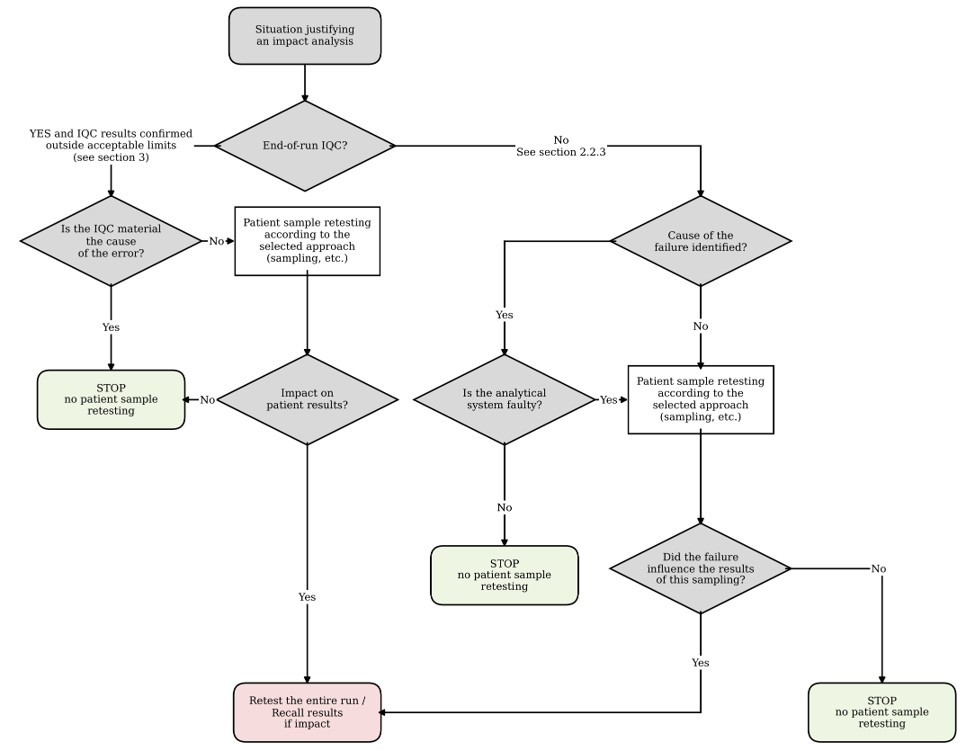
Figure 2. Impact analysis process that may lead to retesting an analytical run.
Table 23. Recommendation levels relating to the impact-study and patient sample retesting strategy.
| Impact study strategy | |
|
Recommended Practice |
|
| Acceptable practice |
|
| Not recommended |
|
7. Complementary approaches
7.1. Strategy based on the real-time mean of patient samples
Monitoring of the patient mean can be a complementary approach for the early detection of drift or a shift in an analytical system [26, 27]. This approach has the advantage of assessing method shift using a human matrix, and can help overcome problems related to lack of commutability or deterioration of the IQC material. Characteristics of tests for which moving-average analysis is suitable include:
- Relatively narrow measuring ranges.
- A stable distribution.
- A high testing frequency.
- Values representative of analytical system performance.
- Low biological variability.
When using the patient mean, the laboratory must pay particular attention to:
- Population size (which will determine the mean calculation and the value plotted on the control chart) as well as the exclusion of certain critical care units (dialysis, intensive care): indicator applicable only to a stable population.
- Methods for handling outlier or extreme values (exclusion or replacement).
- Acceptable limits defined by the laboratory, which must be, at least, comparable to those of IQC (even though the CVs are not statistically equivalent)
- Weighting of recent results, to improve early bias detection.
- The course of action to follow in the event of an alarm.
Recommendation levels relating to monitoring the patient mean are summarized in Table 24.
Table 24. Recommendation levels relating to monitoring the patient moving average.[FE11.1][JG11.2]
| Patient moving average | |
|
Recommended Practice |
|
| Acceptable practice |
|
| Not recommended |
|
7.2. Retesting of patient samples
Patient samples may be analyzed several times during the day (within the limits of analyte stability) as a means of monitoring analytical performance (“sentinel patient sample”, “patient QC”, or “longitudinal control sample”), using an acceptance criterion of 2.8 times the method standard deviation (NF EN ISO 5725-6 [23]).
This approach allows overcoming the non-commutability of certain IQC and can also be used to investigate it.
Recommendation levels relating to retesting of patient samples are summarized in Table 25.
Table 25. Recommendation levels relating to retesting of patient samples.
| Retesting of patient samples | |
|
Recommended Practice |
|
| Acceptable practice |
|
| Not recommended |
|
7.3. Patient sample pools
Constituting a pool of patient samples may be a solution adopted by the laboratory. This approach may be judicious, in particular in the absence of IQC and/or in addition to IQC, to investigate commutability (tumor markers, hormone assays, etc.). The stability and homogeneity of this often-frozen sample pool must be addressed and documented.
Recommendation levels relating to patient sample pools are summarized in Table 26.
Table 26. Recommendation levels relating to patient sample pools.
| Pool of patients | |
|
Recommended Practice |
|
| Acceptable practice |
|
| Not recommended |
|
7.4. Sentinel measurands
On a multiparametric analyzer, certain measurands are more sensitive than others to the various components of the instrument or to measurement processes (low-volume pipetting, specific wavelength, reaction time, washing, etc.).
Appropriate testing of IQC materials or patient samples for these sentinel measurands can be used to assess whether the other methods remain under control (especially as these are robust). Risk associated with internal maintenance or maintenance performed by the manufacturer’s service department may be managed using a panel of “sentinel measurands” to rapidly verify that maintenance has had no impact on the various analyzer components. The strategy must be justified, in particular based on data provided by the manufacturer and on an assessment of parameter robustness [28].
They can be divided into two main categories:
- Tests representative of the proper mechanical and physical operation of the measuring instrument.
- Tests representative of measurement methods — for example potentiometry, enzyme kinetics, endpoint or two-point kinetic colorimetric methods, etc. For immunoassay, sandwich or competition methods, with or without pre-wash, over one or more instrument measurement cycles, etc.
The concept of a panel of sentinel tests may be incorporated as a complement to a comprehensive IQC strategy, particularly for four main purposes [29]:
- Post-intervention requalification, preventive or corrective, of an instrument or piece of equipment. Or an instrument relocation, if validated by the supplier.
- "Intermediate" monitoring of the ongoing, proper operation of analytical processes bracketed by a comprehensive IQC testing strategy, during a work sequence (run, day, or session).
- Method verification sequence in specific situations, such as the addition of an additional module to a multi-module analyzer, or replacing an analyzer with an equivalent one when the two systems cannot be operated in parallel. In this latter case, a detailed risk analysis must be conducted, and the situation does not exempt the laboratory from carrying out further verifications at a later stage
- In the event of a failure preventing the bracketing of an analyzer module's run (cf. §2.2.2 of this article).
In the event of "major" maintenance requiring calibrations, this strategy is not appropriate.
Recommendation levels relating to "sentinel" parameters are summarized in Table 27.
Table 27. Recommendation levels relating to "sentinel" parameters.
| "Sentinel" parameters | |
|
Recommended Practice |
|
| Acceptable practice |
|
| Not recommended |
|
8. Trend detection
Standards require laboratories to define quality indicators to assess performance across all key aspects of the analytical process, and to monitor performance against objectives. The process for monitoring quality indicators must be planned, and indicators must be regularly reviewed.
Monitoring of analytical performance relies in particular on the review of IQC and EQA data against defined acceptability criteria, at regular intervals and within a timeframe that provides meaningful information on real-time performance. Additional means, in particular derived from patient and analyzer data, complement these indicators.
Performance indicators used to monitor quantitative methods must allow trend detection, i.e., monitoring of dispersion and of systematic error, with regard to documented acceptable limits.
8.1. Good practices for calculating the laboratory CV
Quality control using Levey–Jennings charts is based on the assumption that values follow a normal distribution. The principle is to determine whether a value belongs to the "usual" population or to a different population (shifted mean and/or higher CV) resulting from an analytical malfunction.
Estimation of statistical parameters (mean, standard deviation, or CV) consists of estimating population parameters from a statistical sample drawn from that population.
If the statistical sample contains values from two different populations, the calculation is no longer meaningful. The "usual" dispersion of a method corresponds to so-called “common causes”; the IQC values to keep are those that reflect the performance of the method.
If an analytical anomaly is detected through out-of-control values (violation of the 1-3S, 2-2S, R-4S rules), a "special" cause has occurred, and consequently the values observed under these conditions do not belong to the "usual" population. Patient results are not released until the analytical issue has been corrected.
It therefore seems logical and consistent not to include these values in the calculation of a CV intended to represent the laboratory's "usual" operation.
However, if retesting the same IQC provides values within acceptable limits, it can be concluded that the previously out-of-control value belongs to the "usual" population. This corresponds to the type-I error probability (3 per thousand in the case of the 1-3S rule), and it is therefore recommended to include this value in the CV calculation. The IQC values retained for calculating the laboratory’s intermediate precision CV should be those that reflect the actual performance of the method and correspond to the processing of patient results associated with the conforming-IQC episode. If the laboratory professional chooses to release patient results, for example with regard to the total allowable error, the IQC value will be kept; conversely, IQC values will be excluded in the event of rejection of the associated run. This approach is consistent both statistically and with the analytical objectives.
Gross errors (inversion of IQC levels, end of vial, etc.) that do not represent the method's real dispersion should therefore not be taken into account.
If the method is modified (IQC-vial change, recalibration, etc.), it is logical to exclude non-conforming IQC points from the CV calculation (data preceding the calibration or vial change).
Conversely, if no change is made to the method (re-testing of the same IQC), there is no justification for excluding these points.
8.2. Monitoring of CV and bias
Monitoring of dispersion relies on CV monitoring. Comparison against the laboratory's own performance (CVLT for the current year versus CVLT for year n−1), against the peer group in the case of externalization (e.g., CVr), and/or against the state of the art helps ensure analytical control. The laboratory may also annually compare its CV to the CVI in order to clinically assess dispersion. Monitoring of bias, or at minimum of accuracy, will rely on trueness monitoring (e.g., SDI) and on external quality-assessment data in order to ensure adapted analytical control. Trueness may also be annually compared to bias objectives defined from the CVI and inter-individual CV (CVG) in order to ensure that clinical requirements are met.
Combined indicators, such as measurement uncertainty and sigma, integrating dispersion and bias components, may also be monitored. Assessment of the laboratory’s own performance (MU for the current year versus that of year n−1) and/or individual monitoring of components contributes to analytical control, while comparison against uncertainty objectives (MU, or failing that TEa) helps ensure that the method meets clinical requirements. Sigma monitoring as a performance indicator is less documented and will require a rigorous, documented definition of the total allowable error. This TEa must remain constant for Sigma to be used as a performance-monitoring indicator. Annual monitoring of each Sigma value and/or overall categorization (< 3: unacceptable, 3-6: intermediate, > 6: desirable) may be considered.
A monthly frequency is recommended for monitoring externalized data (e.g., CVr and SDI). Measurement uncertainty and sigma data may be reviewed annually. The laboratory should rely on available tools and avoid, as much as possible, manual data transcription. Performance objectives must be documented and adapted to the method's needs.
Subsequently, for performance monitoring, the laboratory will compare the CVs obtained with reference CVs according to the Milan consensus.
Reference CVs may be:
- CVs derived from biological variation (obtained via the European Biological Variation Study — EuBIVAS);
- CVs derived from supplier data;
- CVs derived from peer groups (externalized IQC);
- CVs derived from recommendations issued by French or international scientific societies;
- CVs derived from inter-laboratory comparison organizations (OCIL), whether non-profit or industry-run
The main trend to monitor is an increase in method dispersion, verified through the CV. Monitoring of CVs and their conformity to the laboratory's specifications is recommended. This monitoring should be conducted regularly (based on the method's robustness and testing frequency), and at least quarterly. When several analyzers are used for the same tests, comparing CVs across the different analytical systems is recommended.
Trend analyses aim to detect, as early as possible, any drift of the analytical system, and to implement preventive actions when necessary (monitoring of random and systematic error).
- An increase in method dispersion (random-error drift) can be identified through regular monitoring of the method (frequency adapted for each test based on robustness, clinical importance, and testing frequency...). For routine tests, regular CV monitoring is recommended, compared against the laboratory's specifications, at an appropriate — most often monthly — frequency for each test, in order to allow prompt action when necessary.
- An increase in systematic error (or trueness bias) can be assessed through external comparison of IQC results (regular monitoring of the Z-score or SDI [standard deviation index]).
Recommendation levels relating to trend detection are summarized in Table 28.
Table 28. Recommendation levels relating to trend detection.
| Trend detection | |
|
Recommended Practice |
|
| Acceptable practice | / |
| Not recommended |
|
8.3. Other trend indicators
An increase in the frequency of non-conforming IQC, the number of recalibrations, the conduct of impact studies following non-conforming results, and extended result turnaround times (TAT), by parameter, analyzer, or IQC lot, are events that reflect the actual repercussions of the IQC strategy and can be used by the laboratory as indicators.
9. The specific case of unit-use test (UUT)
A specific risk assessment should be conducted for these tests, taking into account, in particular, the number of tests performed and how the results are used. Some UUTs are associated with electronic controls (eQC) [electronic cards validating test and/or instrument calibration], their operating principles should be understood, and the laboratory should assess and manage the associated risks.
If IQC can be used on the UUT or the POCT, the recommendations for use and handling are comparable.
Recommendation levels relating to quality controls associated with unit-use tests (UUT) and point-of-care testing (POCT) are summarized in Table 29.
Table 29. Recommendation levels relating to quality controls associated with unit-use tests (UUT) and point-of-care testing (POCT).
| UUT and POCT: associated quality controls |
|
|
Recommended Practice |
|
| Acceptable practice |
|
| Not recommended |
|
Conclusion
This document will be regularly reviewed to remain aligned with scientific and technical developments.
This document aims to define the (internal and external) quality-control strategy, based on a risk analysis, and constituting the ongoing validation/verification of the method.
This strategy, relying on statistical methods, must enable the production of valid results in order to meet prescribers' needs and support appropriate patient care.
Conflicts of interest
The authors declare that they have no conflict of interest in relation to this article.
References
- Boissier E, Calmette L, Delahousse B, Flaujac C, Hurtaud-Roux MF, Mauge L, for the GFHT. Recommandations pré-analytiques en hémostase : stabilité des paramètres d’hémostase générale. 2017.
- NF EN ISO 15189. Medical laboratories – requirements for quality and competence. 2022.
- COFRAC. SH REF 02. Exigences pour l’accréditation selon la norme NF EN ISO 15189, rev. 05.
- Peltier L, Van Aelst S, Peeters B, Raimbourg JB, Yundt-Pacheco J. Patient risk management in laboratory medicine: an international survey to assess the severity of harm associated with erroneous reported results. Clin Chem Lab Med 2025;63(8):1548-54.
- NF EN ISO 22367:2026. Laboratoires de biologie médicale – Application de la gestion des risques aux laboratoires de biologie médicale. 2026.
- Budd JR, Lyle A. CLSI EP30. Characterization and qualification of commutable reference materials for laboratory medicine.
- Burtis CA, Bruns DE, Sawyer BG, Tietz NW. Tietz fundamentals of clinical chemistry and molecular diagnostics. 7th ed. Saunders, 2015.
- COFRAC. SH GTA 04. Guide technique d’accréditation de vérification (portée A)/validation (portée B) des méthodes de biologie médicale, rev. 02.
- Arnaud J, Adjidé V, Vassault A, members of sub-group 2 “Analytique”. Interlaboratory comparison/external quality assessment. Ann Biol Clin (Paris) 2010;68(1):227-36.
- Cooper G. Leçons de base de contrôle de qualité au laboratoire. Quality Systems Division, Bio-Rad Laboratories, 2009.
- COFRAC. SH GTA 06. Guide technique d’accréditation : contrôle de qualité en biologie médicale, rev. 00.
- Mackay M, Hegedus G, Badrick T. Assay stability, the missing component of the error budget. Clin Biochem 2017;50(18):107-13.
- Scherrer F, Bouilloux JP, Calendini O, Chamard D, Cornu F. Interest and limits of the six sigma methodology in medical laboratory. Ann Biol Clin (Paris) 2017;75(1):107-13.
- Coskun A, Serteser M, Ünsal I. Sigma metric revisited: true known mistakes. Biochem Med (Zagreb) 2019;29(1):010902.
- Çubukçu H. QC Constellation: a cutting-edge solution for risk and patient-based quality control in clinical laboratories. Clin Chem Lab Med 2024;62(11):2185-2197.
- Westgard JO, Bayat H, Westgard SA. Planning risk-based SQC schedules for bracketed operation of continuous production analyzers. Clin Chem 2018;64(2):289-96.
- Parvin CA. Planning statistical quality control to minimize patient risk: it’s about time. Clin Chem 2018;64(2):249-250.
- Miller WG. Quality control. In: McPherson RA, Pincus MR, editors. Henry’s Clinical Diagnosis and Management by Laboratory Methods. 23rd ed. Philadelphia: Elsevier; 2016. p. 118.
- Giannoli JM, Bernard M, L’Hirondel J, Badrick T. A model for managing quality control for a network of clinical chemistry instruments measuring the same analyte. Clin Chem Lab Med 2024;62(5):853-60.
- Dimech W. The standardization and control of serology and nucleic acid testing for infectious diseases. Clin Microbiol Rev 2021;34(4):e0003521.
- Badrick T, Fortun M, Vayanos Z, Bernard M, Dufour P, Souied L, et al. Quality control for serological testing. Clin Chim Acta 2025;564:119905.
- Clinical and Laboratory Standards Institute (CLSI). Statistical Quality Control for Quantitative Measurement Procedures: Principles and Definitions. 4th ed. CLSI guideline C24. Wayne, PA: CLSI; 2016.
- NF ISO 5725-1. Accuracy (trueness and precision) of measurement methods and results – Part 1: general principles and definitions. 1994.
- ISO 2859-2:2020. Règles d’échantillonnage pour les contrôles par attributs – Partie 2 : plans d’échantillonnage pour les contrôles de lots isolés, indexés d’après la qualité limite (QL). 2020.
- Sandberg S, Fraser CG, Horvath AR, Jansen R, Jones G, Oosterhuis W, et al. Defining analytical performance specifications: Consensus Statement from the 1st Strategic Conference of the European Federation of Clinical Chemistry and Laboratory Medicine. Clin Chem Lab Med 2015;53(6):833-5.
- Badrick T, Graham P. Can a combination of average of normals and “real time” external quality assurance replace internal quality control? Clin Chem Lab Med 2018;56(4):549-53.
- Straseski JA, Strathmann FG. Patient data algorithms. Clin Lab Med 2013;33(1):147-60.
- COFRAC. SH INF 36. Adaptations du dossier de vérification/validation de méthodes dans le cas de changements : déplacement d’automates, remplacement d’automates… 2022.
- Ilardo C, Lamarti C, Al Muhanna B, Bastelica M, Benaily N. Sentinel testing, analytical sigma metrics and a risk management approach as part of a simplified method verification/validation process. Scand J Clin Lab Invest 2024;84(7-8):569-576.
- ISO 13528:2022. Méthodes statistiques utilisées dans les essais d’aptitude par comparaison interlaboratoires. 2022.
- Mackay MA, Badrick TC. Steady state errors and risk of a QC strategy. Clin Biochem 2019;64:37-43.
- Westgard JO, Westgard SA. Establishing evidence-based statistical quality control practices. Am J Clin Pathol 2019;151(4):364-70.
- Ricós C, Alvarez V, Cava F, García-Lario JV, Hernández A, Jiménez CV, et al. Current databases on biological variations: pros, cons and progress. Scand J Clin Lab Invest 1999;59:491-500.
- ISO 2859-2:2020. Règles d’échantillonnage pour les contrôles par attributs – Partie 2 : plans d’échantillonnage pour les contrôles de lots isolés, indexés d’après la qualité limite (QL). 2020.
- Parvin CA. Assessing the impact of the frequency of quality control testing on the quality of reported patient results. Clin Chem 2008;54(12):2049-54.